Maxillofacial Prosthodontics
Restoring Function. Rebuilding Confidence.
Advanced Rehabilitation Following Head and Neck Surgery
Maxillofacial prosthodontics focuses on the restoration of facial, oral, and dental structures following trauma, congenital conditions, or surgical treatment for head and neck cancer. When tissue or bone is lost, carefully planned prosthetic rehabilitation can restore function, comfort, appearance, and quality of life.
At Dr Alwyn Fortuin Prosthodontics, treatment is delivered with a focus on precision, collaboration, and long-term stability, working closely with surgical and oncology teams where required.
Precision Rehabilitation
Accuracy-driven, customised care
Implant-Supported Prosthetics
Stable support for lasting results
Functional & Aesthetic Restoration
Comfort, function, and confidence
You may benefit from endodontic treatment if you:
-
Have undergone head and neck cancer surgery
-
Have lost oral or facial tissue following tumour removal
-
Require implant-supported facial or intra-oral prostheses
-
Have difficulty with speech, swallowing, or facial symmetry
-
Have been referred by a surgeon or oncologist for rehabilitation
If any of the above apply, a maxillofacial assessment is recommended.
NOTE: Early prosthodontic planning improves surgical and functional outcomes.
Types of Endodontic Conditions Treated
Post-Oncological Surgical Defects:
Rehabilitation following surgical removal of tumours affecting the jaw, palate, face, or surrounding structures.
Congenital Craniofacial Conditions:
Management of congenital defects affecting facial or oral anatomy, requiring prosthetic support.
Traumatic Facial Injuries:
Prosthetic restoration following trauma resulting in loss of facial or oral tissue.
Implant-Supported Maxillofacial Prostheses:
Use of dental or craniofacial implants to support stable, functional prosthetic replacement.
Complex Oral and Facial Defects:
Custom prosthetic solutions designed to restore form and function where conventional dentistry is not sufficient.
Common Functional Challenges Addressed in Maxillofacial Prosthodontics
Patients may experience:
-
Difficulty speaking or swallowing
-
Facial asymmetry or tissue loss
-
Impaired chewing or oral function
-
Changes in appearance following surgery
-
Reduced comfort or prosthesis stability
Maxillofacial prosthodontics aims to restore function first, while carefully addressing aesthetic and psychological considerations.
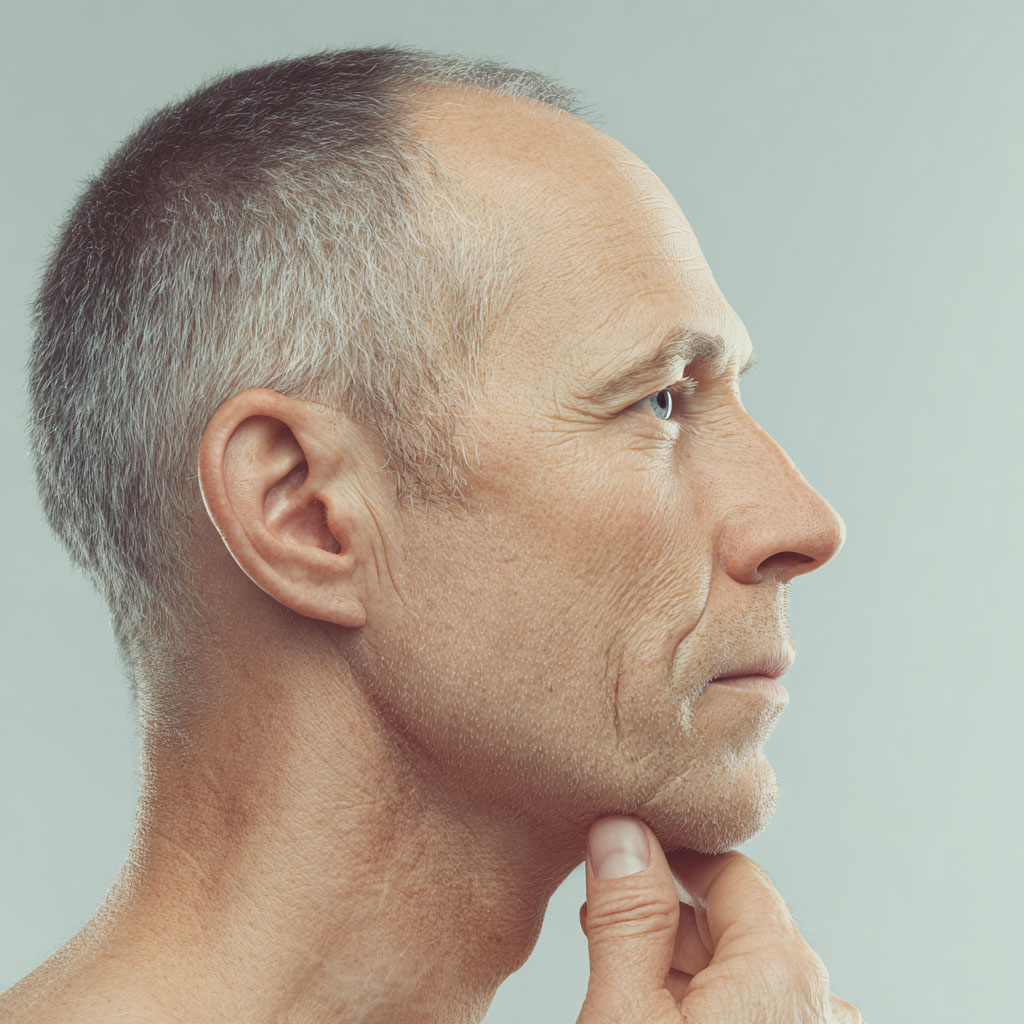
How Maxillofacial Prosthodontic Treatment Is Performed
Treatment is highly individualised and typically includes:
Comprehensive Assessment & Planning:
Detailed evaluation of anatomy, surgical outcomes, and functional requirements.

Multidisciplinary Collaboration:
Close coordination with surgeons, oncologists, and other healthcare professionals.
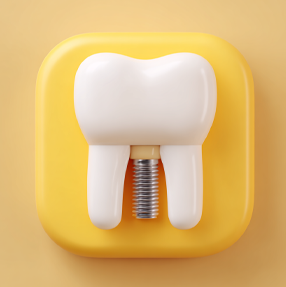
Implant Planning & Integration:
Where appropriate, implants are planned to support stable prosthetic outcomes.
Custom Prosthetic Fabrication:
Precision-designed prostheses created to restore lost tissue and function.

Ongoing Review & Maintenance:
Long-term follow-up to ensure comfort, durability, and adaptation over time.
Why Choose Dr Alwyn Fortuin for Maxillofacial Prosthodontics?
✔ Specialist-level prosthodontic expertise
✔ Experience in complex rehabilitation cases
✔ Conservative, precision-focused treatment philosophy
✔ Collaborative, multidisciplinary approach
✔ Emphasis on long-term functional and prosthetic stability
Each case is approached with clinical sensitivity, technical accuracy, and respect for patient dignity.
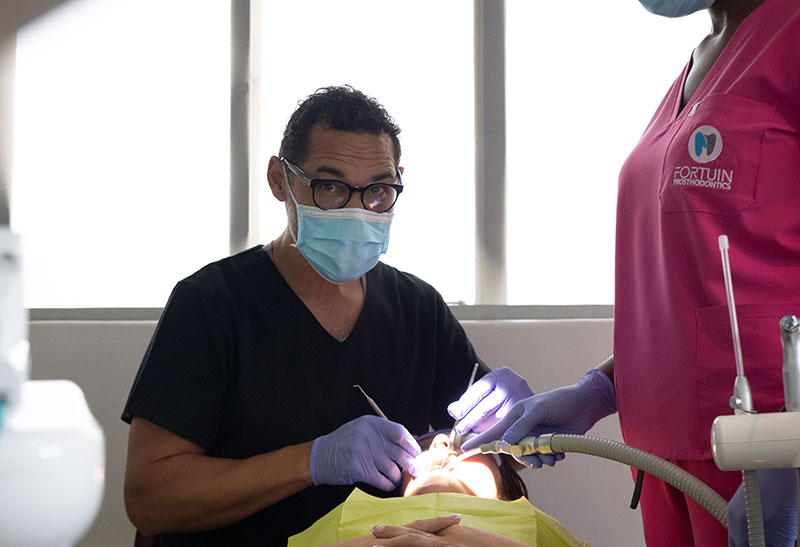
Frequently Asked Questions About Endodontics
What is maxillofacial prosthodontics?
It is a specialised field of dentistry focused on restoring oral and facial structures lost due to surgery, trauma, or congenital conditions using custom prosthetic solutions.
Is this treatment only for cancer patients?
No. While commonly used following cancer surgery, maxillofacial prosthodontics also assists patients with trauma-related or congenital facial defects.
Are implants always required?
Not always. Implant use depends on anatomy, healing, and functional needs. Treatment options are discussed on an individual basis.
Will treatment involve multiple specialists?
Yes. Care often involves collaboration with surgeons, oncologists, speech therapists, and other healthcare professionals.
How long does rehabilitation take?
Timelines vary depending on surgical healing and complexity, but treatment is planned with long-term outcomes in mind.